Planning A Fix And Flip In Glen Rock NJ
May 14, 2026
May 14, 2026
If you treat a Glen Rock flip like a generic Bergen County project, you can get burned fast. This is a premium resale market with high price points, meaningful carrying costs, and buyers who notice presentation. If you are planning a fix and flip in Glen Rock, NJ, you need sharp comps, disciplined renovation choices, and a clean launch strategy. Let’s dive in.
Glen Rock is not a county-average flip market. New Jersey Treasury data for 2025 show an average sale price of $1,030,425 in Glen Rock, while Bergen County overall was materially lower. That gap matters because your underwriting should be built around Glen Rock sold data, not countywide shortcuts.
The town also comes with heavier holding costs. The same state data show an average residential tax bill of $20,141, which works out to about $1,678 per month before you add financing, insurance, utilities, and upkeep. In a project with a tight timeline, those monthly costs can eat into margin quickly.
Market pace is encouraging, but you still need to read the data carefully. March to April 2026 trackers placed median listing prices around $1.25 million, median sold prices around $1.0 million, and days on market between 15 and 32 days, depending on the source. That tells you demand is there, but pricing discipline still matters.
When you estimate after-repair value, recent sold comps should do the heavy lifting. In Glen Rock, the spread between median listing prices and median sold prices is large enough that relying on active listings can push your numbers too high. If you want a realistic ARV, start with recent Glen Rock sales first.
This is especially important in a town where small differences can move value in a big way. A finished basement, a better lot, cleaner updates, or a more polished exterior can change buyer response fast. In other words, this is not the place for rough math.
Glen Rock's median price per square foot was reported around $468 by Realtor.com. That can be useful as a quick check, but it should not replace a comps-based valuation. At this price point, bed and bath count, layout, parking, finish quality, and lot characteristics all carry real weight.
Think of price per square foot as a guardrail, not the steering wheel. If your ARV only works because you stretched the per-foot number, it is probably time to revisit the deal.
New Jersey Treasury data show 106 sales in Glen Rock for 2025. That gives you enough activity to build a useful comp set, but not enough to ignore stale or mismatched sales. One weak comp choice can skew your whole resale plan.
If you need to expand your search, do it carefully and only after exhausting true local matches. Glen Rock pricing should be town-specific and sold-comp driven whenever possible.
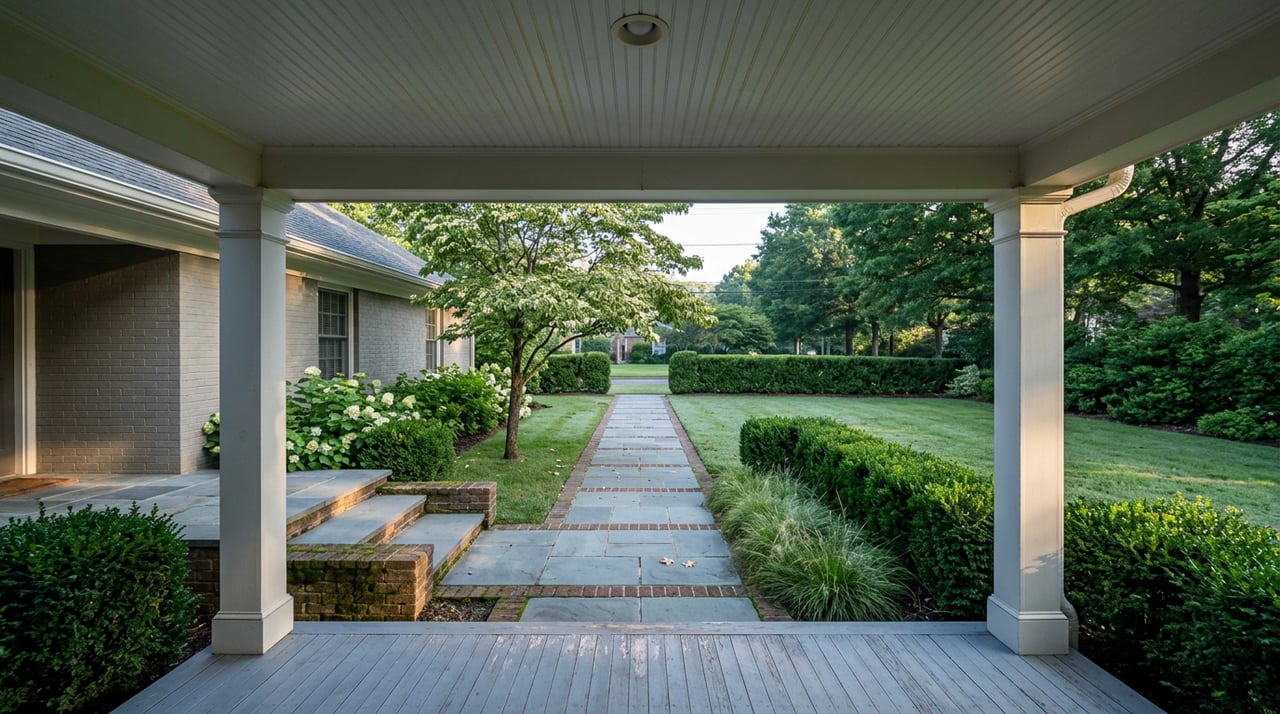
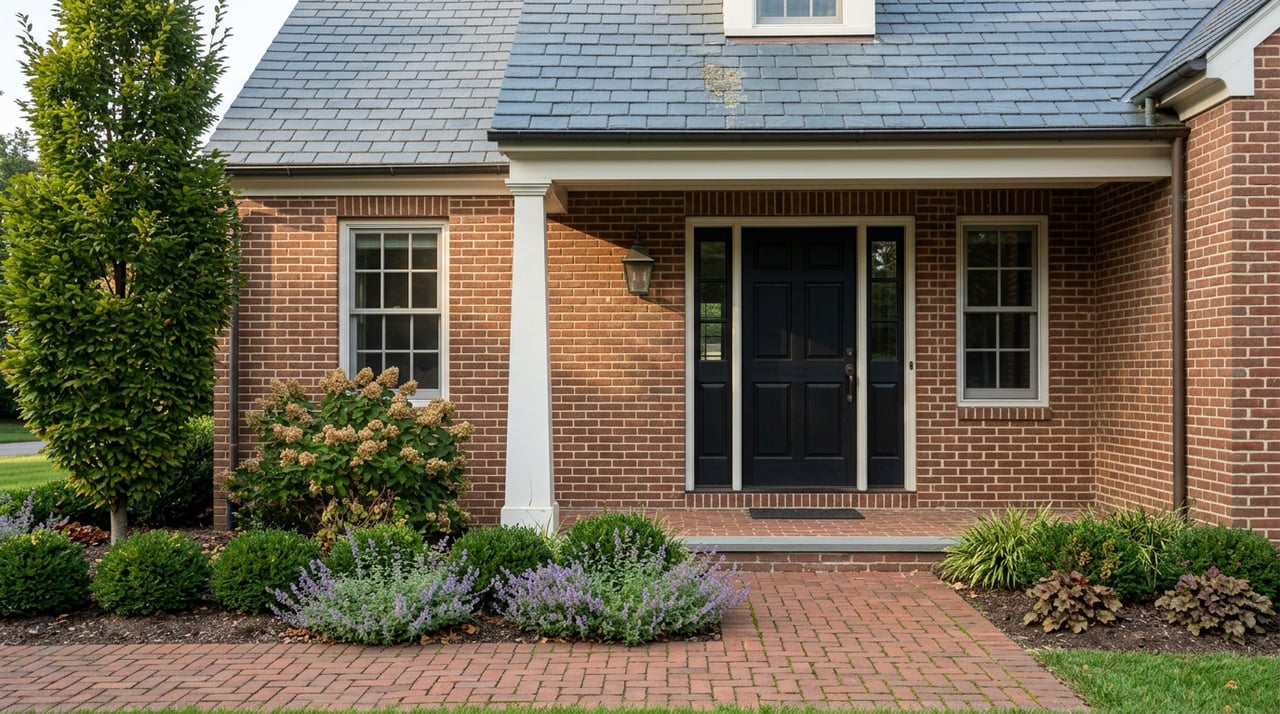
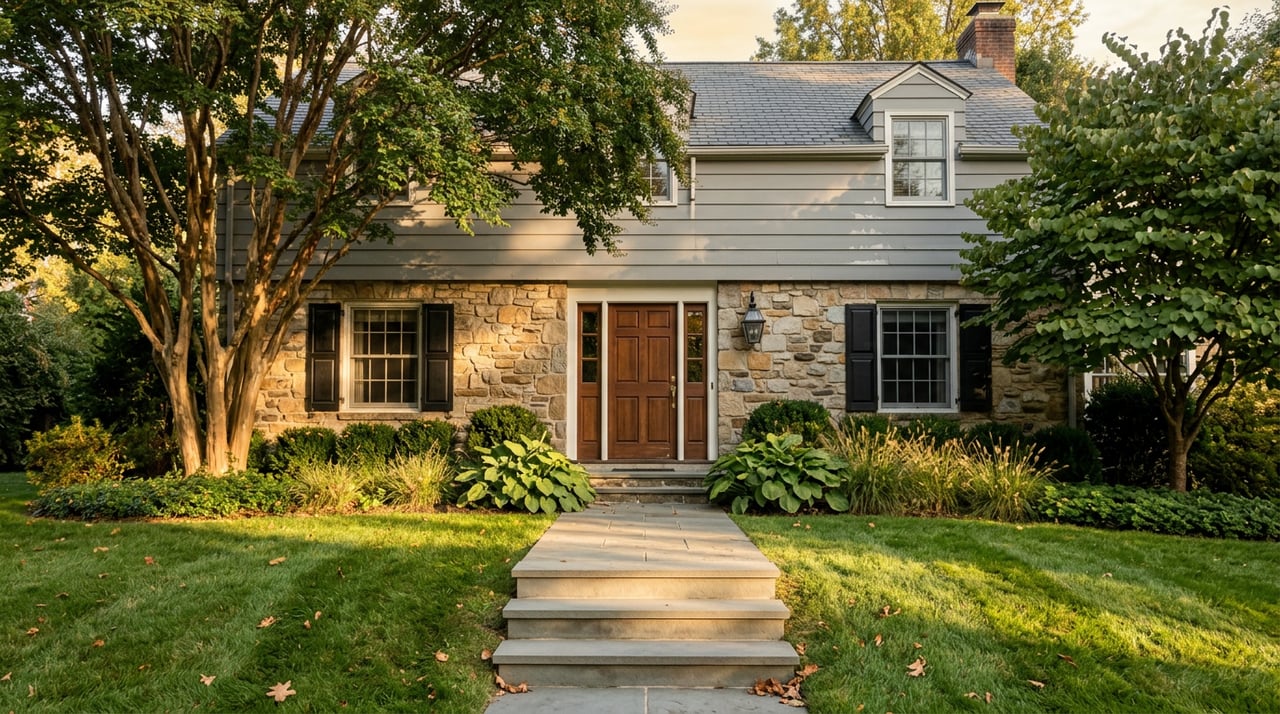
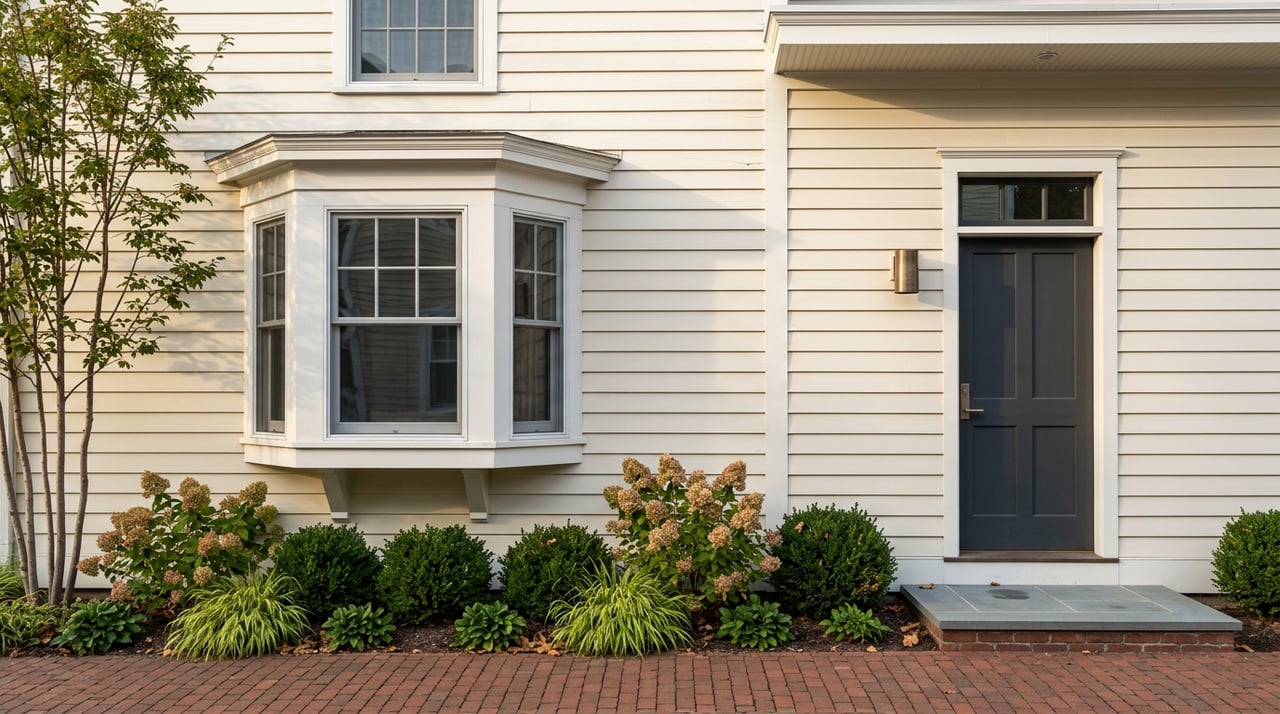
For many Glen Rock flips, cosmetic improvements are the most reliable lane. Realtor.com notes that minor updates such as paint, fixtures, and landscaping typically pay off, while major renovations often do not return their full cost. That lines up with a premium suburban market where buyers often reward condition and convenience.
This does not mean you should cut corners. It means your budget should focus on visible, buyer-facing improvements that make the home feel fresh, functional, and move-in ready.
Glen Rock's zoning department describes the borough as an older, well-planned community with landscaped surroundings and defined standards for building size, setbacks, and uses. In that kind of setting, balanced renovations usually outperform flashy ones. Buyers tend to respond to a home that feels polished and appropriate to its setting.
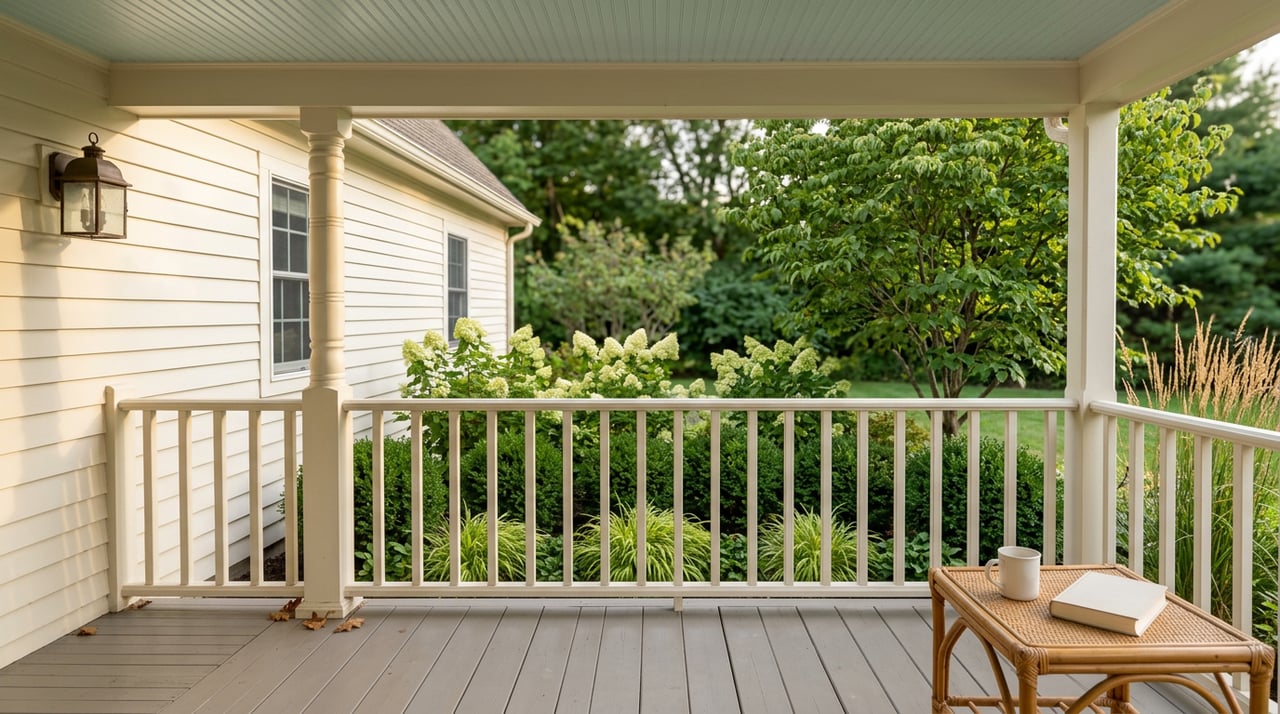
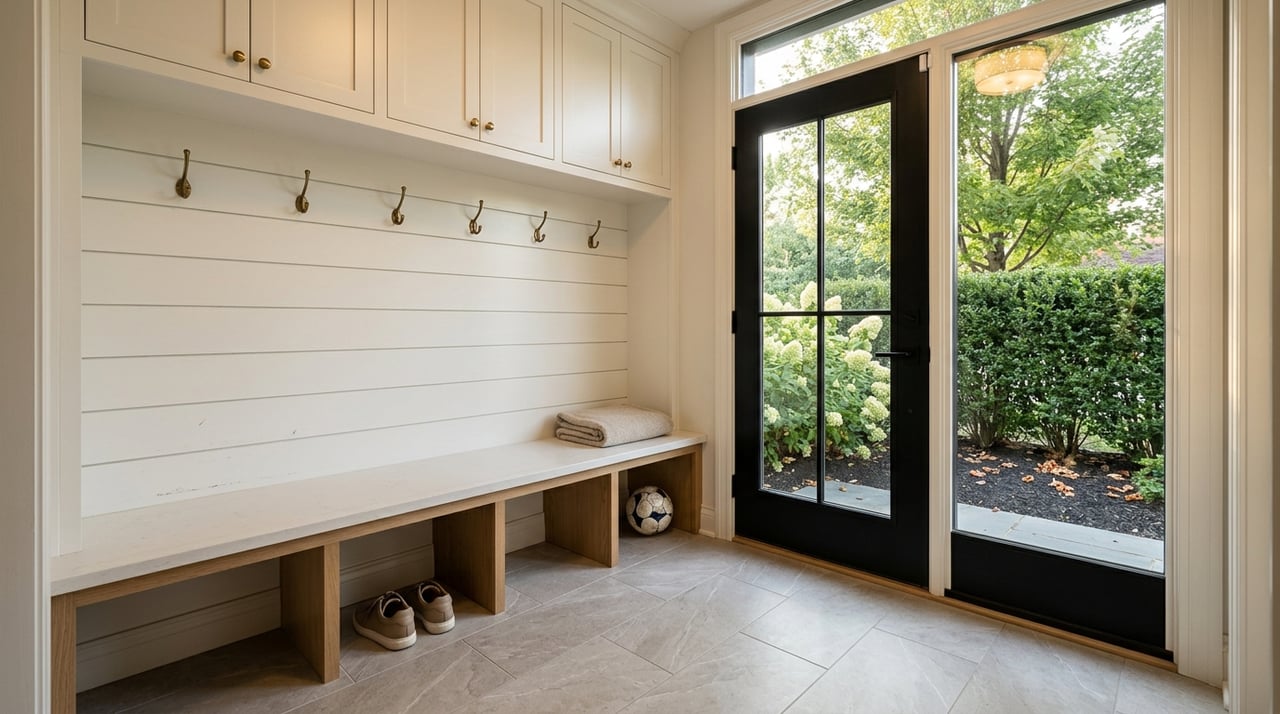
That is why a clean rehab often beats an overly customized one. Fresh paint, updated lighting, crisp flooring, clean bathrooms, and a polished exterior can do more for resale than expensive features that do not match neighborhood expectations.
Presentation is part of the investment strategy, not a last-minute extra. The research supports a launch package built around strong visuals, and that starts with how the house is finished. If the home does not look good online, you may lose buyers before they ever book a showing.
A smart Glen Rock flip should be photo-friendly from day one. Neutral colors, uncluttered rooms, good lighting, and a tidy exterior help the property read well both in person and on screen.
Staging is not fluff in a market like Glen Rock. According to NAR's 2025 Profile of Home Staging, 29% of agents reported a 1% to 10% increase in the dollar value offered for staged homes, and 49% said staging reduced time on market. For a high-priced resale, even a small pricing or timing advantage can matter.
The most important rooms to stage were the living room (37%), primary bedroom (34%), and kitchen (23%). If you are watching your budget, those spaces deserve priority.
NAR's report also found that buyers' agents rated photos, physical staging, video, and virtual tours as highly important in the marketing process. That is a strong reminder that resale success is tied to how the finished product is presented. A good rehab with weak marketing can still underperform.
This is where a marketing-first approach can make a difference. The goal is not just to renovate the house. The goal is to create a product that shows well, photographs beautifully, and feels turnkey when buyers walk in.
High-end flips can create the illusion of bigger margins, but carrying costs can shrink them fast. With average property taxes in Glen Rock at $20,141 per year, every extra month matters. Add financing, insurance, utilities, lawn care, snow removal, and maintenance, and the timeline becomes just as important as the scope.
That is why realistic scheduling matters more than hopeful scheduling. A deal can still be solid, but only if your timeline assumptions are honest.
Glen Rock's posted construction fees include a $75 minimum fee for residential alterations and renovations. There is also a plan-review fee equal to 20% of the construction permit fee. Even smaller projects can pick up administrative costs that are easy to overlook during initial underwriting.
You should also account for resale paperwork. Glen Rock lists a $100 fee for a residential certificate of continued occupancy tied to resale, reoccupancy, or rental.
The borough's current certificate of continued occupancy packet says owners who sell or rent dwellings must obtain a borough-issued certificate before closing or occupancy. It advises applying at least 30 days prior to closing or reoccupancy, and states the form should be submitted no less than 10 days prior to closing. That is not a step to leave for the final week.
Glen Rock's inspection page also notes that requests must be submitted in writing at least 24 hours in advance, and resale or rental inspections are handled during a posted Monday through Thursday, 11 a.m. to 1 p.m. window. Those details may sound small, but they can affect your closing schedule.
If your project includes landscaping or lot cleanup, pay close attention to local tree rules. Glen Rock requires a permit before removing a tree with a trunk 6 inches or greater measured at 4.5 feet high. The ordinance also requires replacement trees or a $750 fee per replacement tree.
That means exterior work is not always simple cleanup. If the numbers are tight, tree-related costs and approvals should be part of the upfront budget.
In Glen Rock, accurate pricing protects your margin better than wishful pricing. Realtor.com notes that correct pricing depends on comparable sales, local market factors, and property attributes. For a flip, that means your resale number should be based on what buyers have actually paid, not what you hope they will pay.
This is one reason as-is exits can be painful. Realtor.com notes that selling as-is often attracts investor buyers at roughly 10% to 20% below market value. If there is any chance you may need to exit before full completion, that discount should be part of your risk planning.
A Glen Rock flip usually performs best when it feels turnkey, neutral, and well finished. Clean lines, thoughtful updates, and polished presentation tend to resonate more than highly personal design choices. In a premium resale market, buyers often want a home that feels easy to move into.
That does not mean boring. It means strategic. The finish level should support the local comp range without pushing the project into over-improvement.
A Glen Rock flip is really a precision rehab. You need local sold comps, a renovation plan tied to buyer expectations, and a clear understanding of taxes, permits, and timing. Strong execution is what protects profit here.
That is also where having the right real estate partner matters. Nicole Romanik Homes & Staging works with investors on ARV and CMA support, renovation guidance tied to buyer appeal, staging, photography, and resale marketing designed to help finished flips hit the market looking polished and ready.
If you are planning a Glen Rock project and want a strategy grounded in local numbers and buyer-ready presentation, connect with Nicole Romanik.
Stay up to date on the latest real estate trends.


Whether you are thinking of transitioning to a new home now or in five years, it is never too early to come up with a game plan. Let's meet to determine how I can best support you on your journey.