Home Staging in Ridgewood NJ for a Stronger Listing Launch
May 7, 2026
May 7, 2026
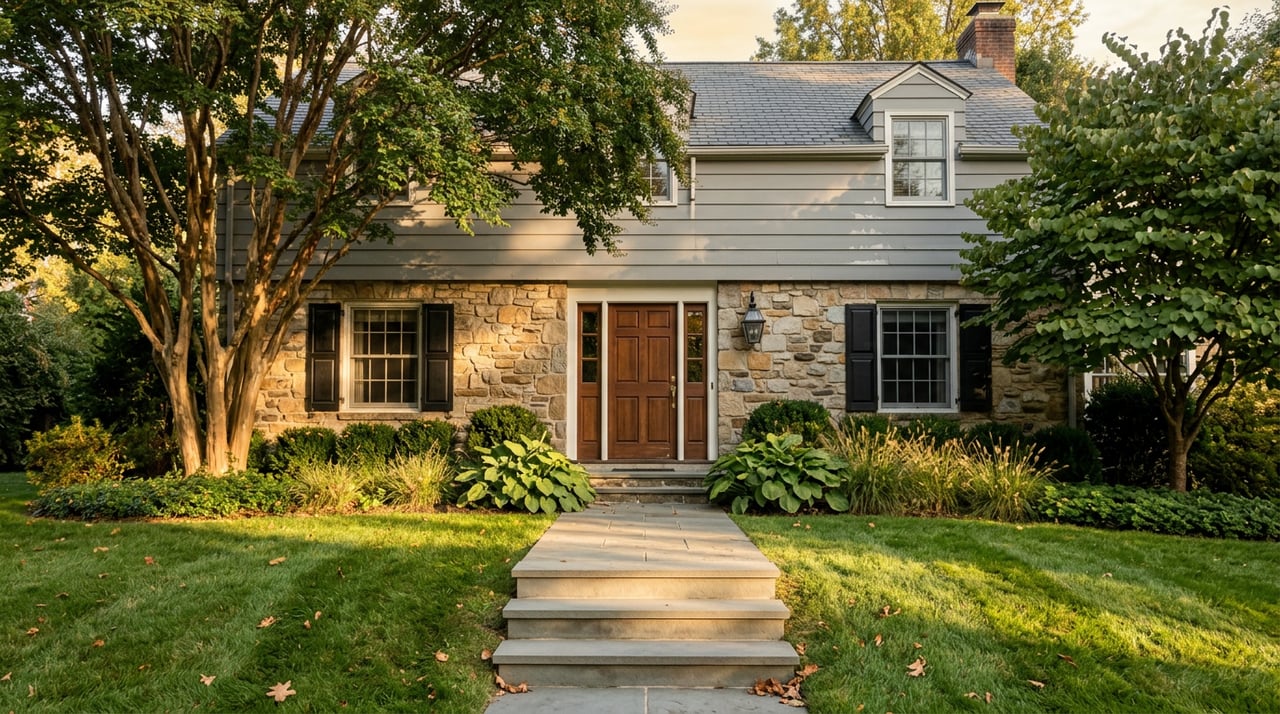
First impressions in Ridgewood usually happen on a screen, not at the front door. If you are getting ready to sell, that matters more than ever because buyers are often deciding which homes feel worth a visit based on photos alone. The good news is that strategic staging can help your home look clearer, more current, and easier to understand without turning your prep into a full renovation project. Let’s dive in.
Ridgewood is a high-value market with a housing stock that is largely detached and often older. Local planning documents show that most homes are detached, and a significant share of the housing stock was built before 1950. In a setting like that, sellers are often working with homes that have great character but also room layouts, furnishings, and finishes that need a little help translating to today’s buyer.
That is where staging becomes strategic, not cosmetic. It helps buyers quickly understand scale, flow, and function, which is especially important when they are scrolling through listings online. In March 2026, Ridgewood’s median sale price was $1,021,000, and Bergen County also reflected a competitive single-family market with low supply and homes selling close to list price. In that kind of market, presentation plays right alongside price and timing.
Today’s buyers almost always start online. Research from 2025 found that all buyers used the internet in their home search, and 43% began there. The same research showed that 81% of buyers rated listing photos as the most useful feature during an online search.
That means your home’s launch is not just about putting it on the market. It is about making sure the photos tell a clear, appealing story right away. If a room feels crowded, dark, overly personal, or hard to interpret, buyers may move on before they ever schedule a showing.
Strategic staging is not about making your house look fake or overly decorated. It is about helping buyers focus on the home itself instead of your belongings, your furniture choices, or an awkward room setup. The goal is clarity.
According to the 2025 Profile of Home Staging, 83% of buyers’ agents said staging made it easier for buyers to visualize the property as a future home. Nearly half of sellers’ agents reported that staging helped homes sell faster, and 29% saw a 1% to 10% increase in the dollar value offered. That does not mean staging guarantees a higher sale price on its own, but it does support stronger perception, which can improve the overall result.
In Ridgewood, many homes have strong bones and lasting appeal, but older homes can be harder for buyers to read. A center-hall Colonial may have beautiful space, but if oversized furniture blocks sightlines or every room is filled with personal decor, buyers may focus on what feels tight or dated instead of what is actually valuable.
Strategic staging helps shift that experience. Neutral surfaces, better lighting, cleaner lines, and right-sized furniture can make the same room feel more open and more useful. Buyers do not need a home to lose its character. They need help seeing how that character fits their life.
Not every room needs the same level of attention. If you are trying to prep efficiently, focus first on the spaces that show up most prominently in photos and shape the buyer’s first impression.
NAR’s staging research found these are the rooms most commonly staged:
For many Ridgewood listings, those are the highest-yield spaces because they help define how the home lives day to day. If those rooms feel calm, bright, and easy to understand, the rest of the house usually benefits too.
The most effective staging often solves very practical problems. It is less about adding things and more about removing distractions.
Here are a few common shifts:
Before staging, a living room may feel smaller because there is too much furniture, poor furniture placement, or blocked natural light. After staging, the room reads more clearly because seating is scaled properly, pathways are open, and the focal points make sense in photos.
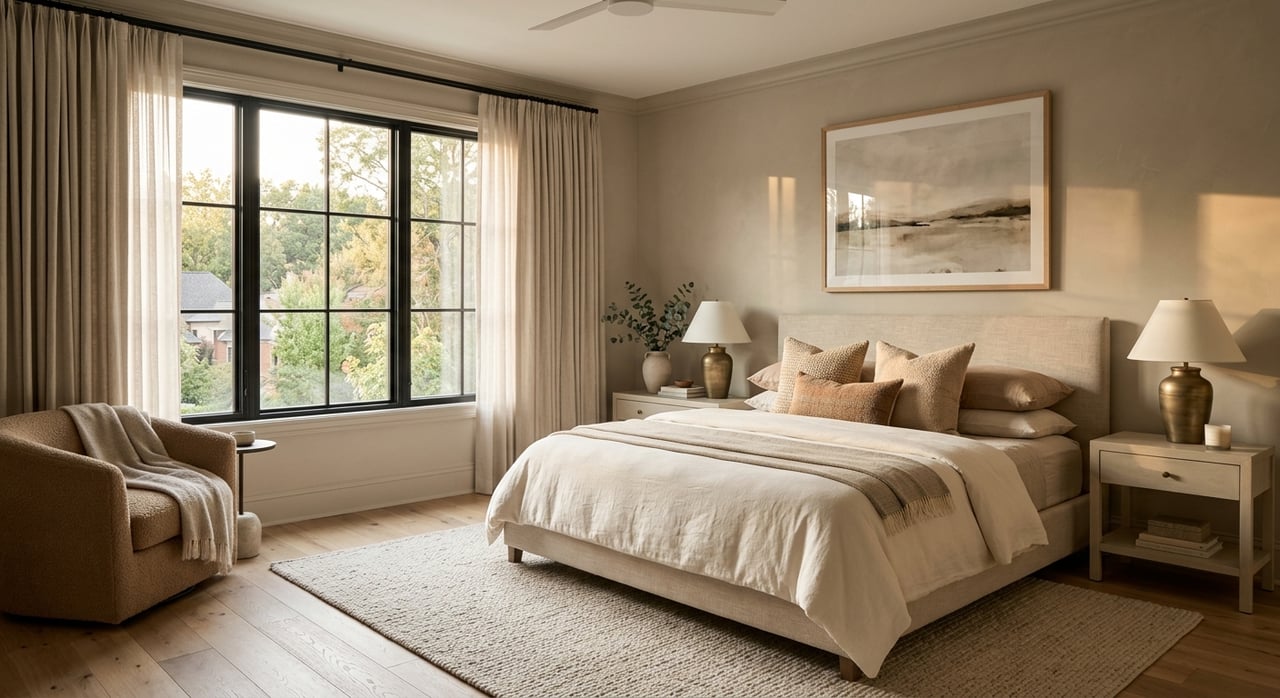
Before staging, a bedroom can feel overly personal or visually busy. After staging, lighter bedding, simplified surfaces, and better spacing help the room feel restful and spacious.
Before staging, counters may be crowded and the eye has nowhere to land. After staging, cleaner surfaces and a few intentional accents help buyers notice storage, workspace, and light instead of daily clutter.
Before staging, a dining room might be acting as storage, an office, or a catch-all. After staging, buyers can immediately understand the room’s function, which helps the whole layout feel more polished.
Staging and photography should work together. One without the other leaves opportunity on the table.
Research shows that buyers expect the in-person experience to match what they saw online. High-resolution photos and video matter, but they need a well-prepared home to capture. If the home is beautifully photographed but not truly ready, buyers can feel disappointed when they arrive. In fact, 58% of respondents in NAR research said buyers are disappointed when homes do not match that polished online look.
This is why staging should never be thought of as fluff. It is part of making your marketing honest, strong, and effective. When done well, it helps your home photograph better and show more consistently from the first click to the first walk-through.
Strategic staging is not a promise that any home will sell instantly or for a certain number. It is also not a substitute for correct pricing, thoughtful launch timing, or strong marketing.
The most credible way to think about staging is this: it reduces buyer uncertainty. It helps buyers understand room size, function, and flow more quickly. In a market like Ridgewood, where values are high and expectations are high too, reducing that uncertainty can be a real advantage.
If you are getting ready to list, your prep does not need to start with a giant renovation checklist. It should start with the changes that improve buyer perception fastest.
A smart staging-focused prep plan often includes:
This is especially helpful for long-time owners who may feel overwhelmed by the idea of getting market-ready. You do not have to do everything. You need to do the right things in the right order.
Virtual staging can be useful, but it should be handled carefully. It can help buyers understand possibilities in a vacant room, especially when empty spaces feel cold or hard to size.
That said, virtual staging works best as a supplement, not a substitute, for real-world preparation. It should also be clearly labeled when used. Buyers should know what is virtual and what is real so their expectations stay grounded when they walk through the home.
In Ridgewood, presentation is not competing in a vacuum. It is competing alongside pricing strategy, timing, and buyer expectations in a market where homes already command serious attention and serious money.
Strategic staging helps your listing capture more of that attention. It can make an older home feel fresher, a vacant home feel more livable, and a lived-in home feel easier to imagine as someone else’s next chapter. That is the real transformation.
If you want a listing plan that goes beyond just putting a sign in the yard, strategic staging is one of the clearest ways to shape how buyers see your home from the very first moment.
When you are ready to create a stronger launch in Ridgewood, Nicole Romanik brings a marketing-first, staging-forward approach designed to help your home stand out with clarity, polish, and purpose.
Stay up to date on the latest real estate trends.


Whether you are thinking of transitioning to a new home now or in five years, it is never too early to come up with a game plan. Let's meet to determine how I can best support you on your journey.