Glen Rock NJ Home Buying Guide for Daily Commuters
March 5, 2026
March 5, 2026
Trading subway sprints for a quieter street without losing a workable commute can feel like a big leap. If you’re eyeing Glen Rock, you’re not alone. The borough offers two NJ Transit train stations, a compact, walkable downtown, and a housing market that fits many commuter needs. In this guide, you’ll get realistic commute times and costs, a clear view of price bands and property taxes, and a quick comparison to nearby towns so you can decide if Glen Rock is the right fit. Let’s dive in.
Glen Rock is a small Bergen County borough with a friendly, village feel and strong transit access. The population sits around 12,000, and you’ll find most daily needs within a short drive or walk of downtown. For many buyers coming from the city, the biggest draw is the combination of two rail stations and a low-stress neighborhood vibe. You can read more about the borough’s profile on the Glen Rock, New Jersey overview.
You get two NJ Transit rail stops in town: Glen Rock–Main Line and Glen Rock–Boro Hall. Both sit near the downtown corridor, which makes it easy to grab coffee, run errands, or head straight to the platform. Learn more about the Main Line stop on the Glen Rock–Main Line station page.
NJ Transit bus routes also serve Glen Rock with service to the Port Authority and the George Washington Bridge Bus Station. In moderate traffic, plan on roughly 45–60 minutes to Port Authority by bus. If you drive, Route 208 connects you to Routes 17 and 4 with Garden State Parkway access a short hop away. Find a quick town context, including roads and services, on the Glen Rock, New Jersey page.
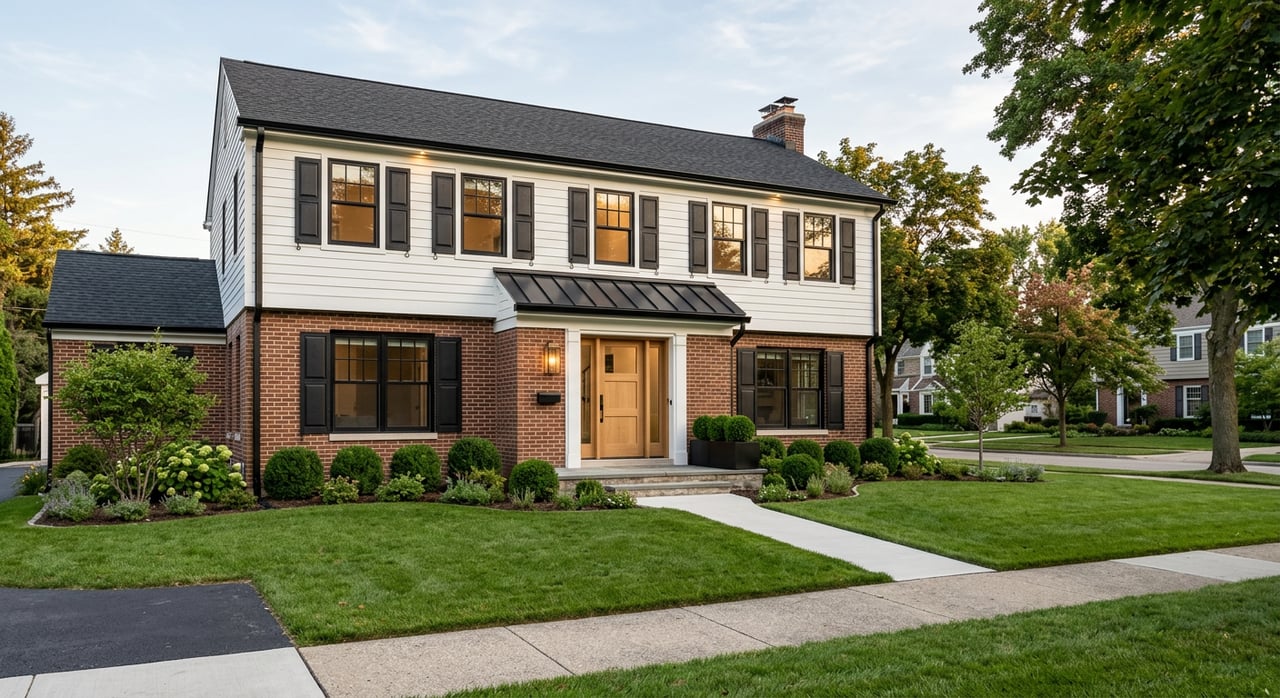
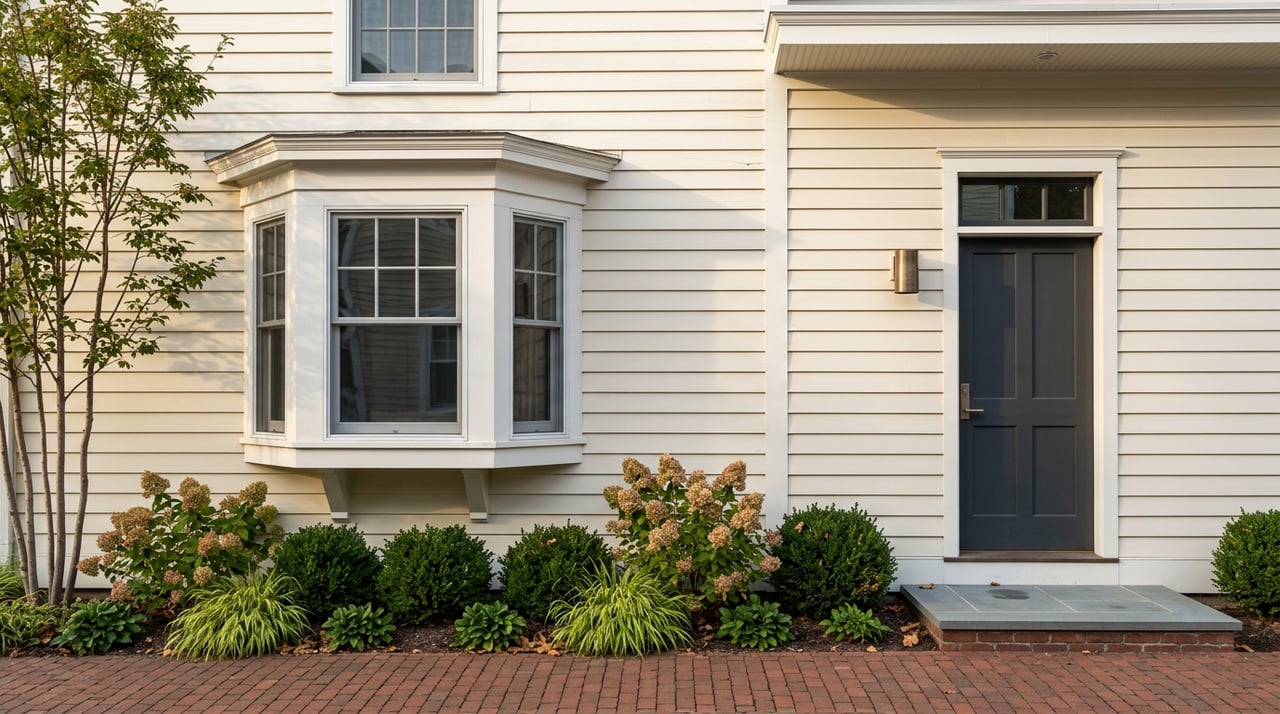
Glen Rock’s housing stock is primarily single-family homes. You’ll see Cape Cods, stately Colonials, Tudors, and mid-century split-levels, many of which have been updated or expanded. New multifamily options are limited compared with larger hubs. Lots in central neighborhoods often range from about 0.15 to 0.35 acres, with some larger parcels on the edges of town.
These figures can diverge because Glen Rock is a small market with low monthly transaction counts. Short-term medians often swing as the mix of homes changes. Use sold-price medians to understand what buyers paid and listing medians to gauge current asking prices.
Recent sales underline the spread. Example properties have closed around $1.10M, $1.45M, and $1.65M, each with different updates, locations, and lot sizes.
Glen Rock falls on the higher end for New Jersey property taxes. Many $1M-plus homes carry annual bills roughly in the $14k–$20k range, with recent sales showing examples around $15k, $16k, and $19k. The borough has also ranked among the top New Jersey communities for average tax bills in statewide roundups. See a summary of local tax positioning in this Patch report on Glen Rock property taxes.
Pro tip: Ask for the current tax card on any home you’re serious about. Assessments and exemptions can vary, so verify the exact figure before you finalize your budget.
Third-party rating sites frequently recognize Glen Rock Public Schools. For example, Niche gives Glen Rock High School an A grade. Check independent sources like the Niche profile for Glen Rock High School for current ratings and methodology.
Walkability is another strength for many blocks near downtown and the stations. Walk Score values land in the high 60s to 80s depending on the precise location. Explore a sample view of the area’s walkability on Walk Score.
Routes serving Glen Rock include runs to the Port Authority and the George Washington Bridge Bus Station. Timing depends on traffic and time of day, but 45–60 minutes to Port Authority is a practical planning range in moderate conditions.
Route 208 provides fast access to Routes 17 and 4, and Garden State Parkway entry is close by. Peak driving can take longer than the train once you add tolls and parking. If you plan to park at a station, review resident permit rules and daily options in advance through municipal notices and NJ Transit resources.
When you build your Bergen County shortlist, you’ll likely consider commute, price, schools, downtown feel, and lot sizes. Here’s a quick snapshot using recent medians and profiles from local sources.
Ridgewood has a larger downtown and comparable train access on the Main and Bergen County Lines. A recent Realtor view shows a median price around $999k. Many buyers choose Ridgewood for a bigger village center and historic housing stock. You may pay a premium for those features.
Wyckoff offers larger, lower-density lots and a more rural-suburban feel. Zillow’s value index places average home values near $1.09M in recent snapshots. Walkability and direct rail access are more limited, so many residents drive to nearby stations or into the city.
Paramus is a retail and highway hub with strong road access and a different day-to-day lifestyle. Recent Redfin medians sit near $1.13M. If you prioritize car-first convenience and shopping access over walkability, Paramus can be a good fit.
Immediately adjacent to Glen Rock, Midland Park is smaller and often more affordable. A recent local market summary places its median sale price around $775k. For a side-by-side town overview, see this Midland Park guide.
Fair Lawn generally prices below Glen Rock in many snapshots and offers multiple train and bus options. A recent Realtor listing view showed a median around $699k, though actual sold prices can differ. It’s a strong value alternative for many commuters.
Decide what matters most: direct-to-Penn vs Hoboken, walk-to-station blocks vs larger lots, and your target door-to-desk time. If you expect a Secaucus transfer, plan the platform walk and buffer into your timing.
Add property taxes and a monthly rail or bus pass to your housing budget. For many $1M-plus Glen Rock homes, taxes of roughly $14k–$20k per year are common. Zone 8 monthly rail passes are about $319 to New York Penn Station and about $240 to Hoboken.
Inventory is small and seasonal. Listing counts swing month to month, and in short windows, listing medians and sold medians can look very different. Recent market snapshots describe Glen Rock as somewhat competitive. Well-priced, move-in-ready homes close to downtown or schools tend to move faster.
Sold medians reflect what buyers actually paid. Compare those with current listings to set realistic expectations. If you love a home that checks your commute and lifestyle boxes, move decisively with strong comps in hand.
If walkability matters, spend time on the blocks near each station. Walkability scores vary by street, and your daily routine will feel different from one side of town to the other. Use Walk Score as a starting point, then confirm on foot.
If Glen Rock is on your list, line up a focused tour day. We’ll map homes to your commute profile, review recent solds, and talk through taxes and timing, so you can move forward with clarity.
Ready to narrow your shortlist? Reach out to Nicole Romanik Homes & Staging to plan your Glen Rock search with a commuter-first strategy.
Stay up to date on the latest real estate trends.


Whether you are thinking of transitioning to a new home now or in five years, it is never too early to come up with a game plan. Let's meet to determine how I can best support you on your journey.