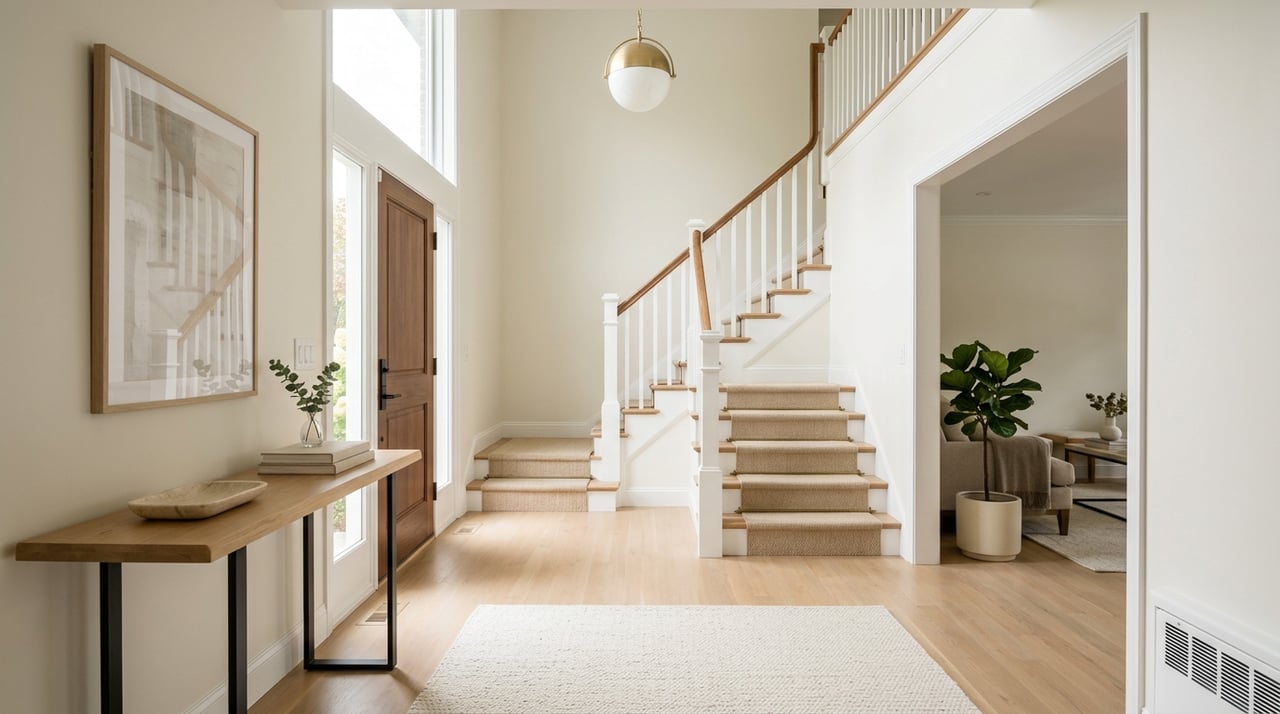
Room-By-Room Staging For Selling In Ridgewood NJ
July 2, 2026
July 2, 2026
If you are selling in Ridgewood, first impressions are not a small detail. In a market where homes are often listed at premium price points and buyers may move quickly, the way your home looks online and in person can shape the entire conversation from day one. The good news is that effective staging does not mean a full redesign. It means making the right rooms feel clean, calm, spacious, and photo-ready before your listing goes live. Let’s dive in.
Ridgewood is a high-value market with strong buyer attention. Realtor.com reports a median listing home price around $1,497,000 in Ridgewood, and zip code 07450 stands well above Bergen County overall. Redfin also reports a median sale price around $1.4M, with multiple offers on average over the three months ending May 2026.
That kind of market does not mean you can skip prep. It means presentation matters even more. When buyers are looking at polished homes in a premium price range, they notice layout, condition, and how a space feels in photos.
Staging helps buyers picture how they would live in the home. According to the National Association of Realtors 2025 Profile of Home Staging, 83% of buyer agents said staging made it easier for buyers to visualize a property as a future home, and 60% said staging affected most buyers’ view of a home most of the time.
You do not need to stage every inch of the house at the same level. In most Ridgewood listings, the goal is to prioritize the spaces that influence buyer perception first.
The same NAR report found that buyer agents ranked the living room as the most important room to stage, followed by the primary bedroom and kitchen. For sellers, the most commonly staged rooms were the living room, primary bedroom, dining room, and kitchen.
If your budget or time is limited, a smart order of operations looks like this:
That is the strategy I recommend most often too. You want the biggest visual payoff first, especially before professional photography.
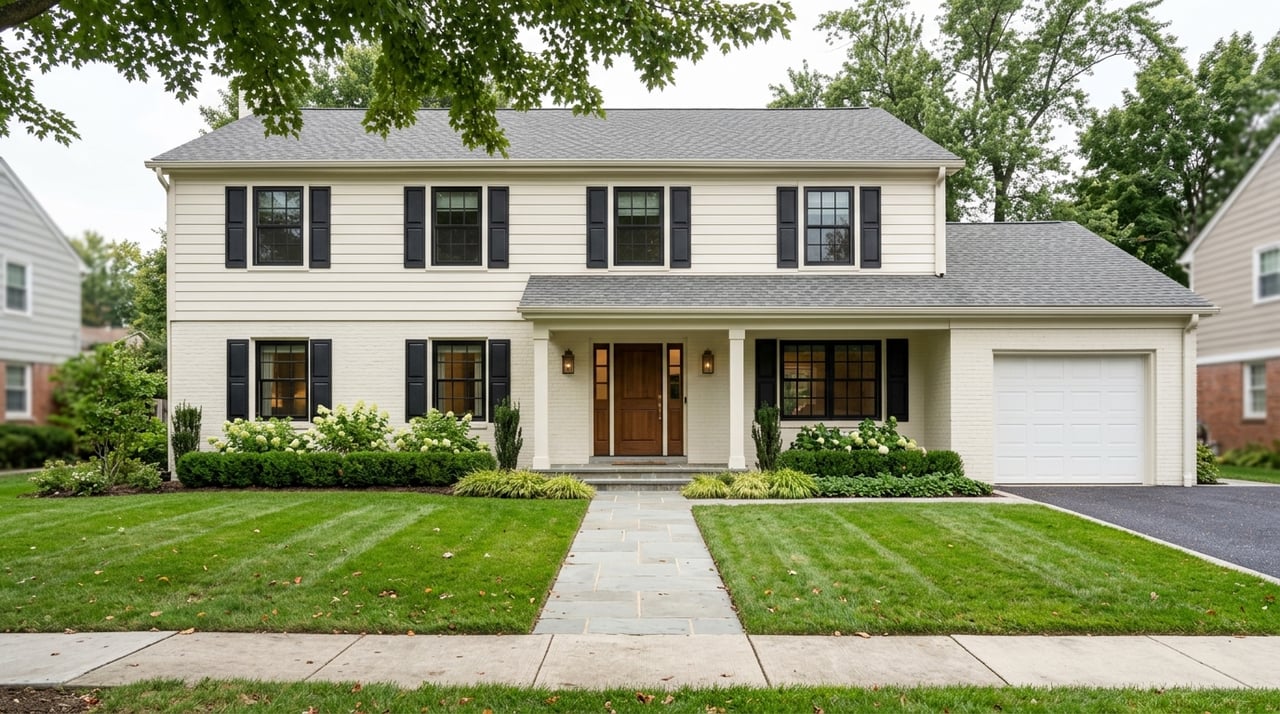
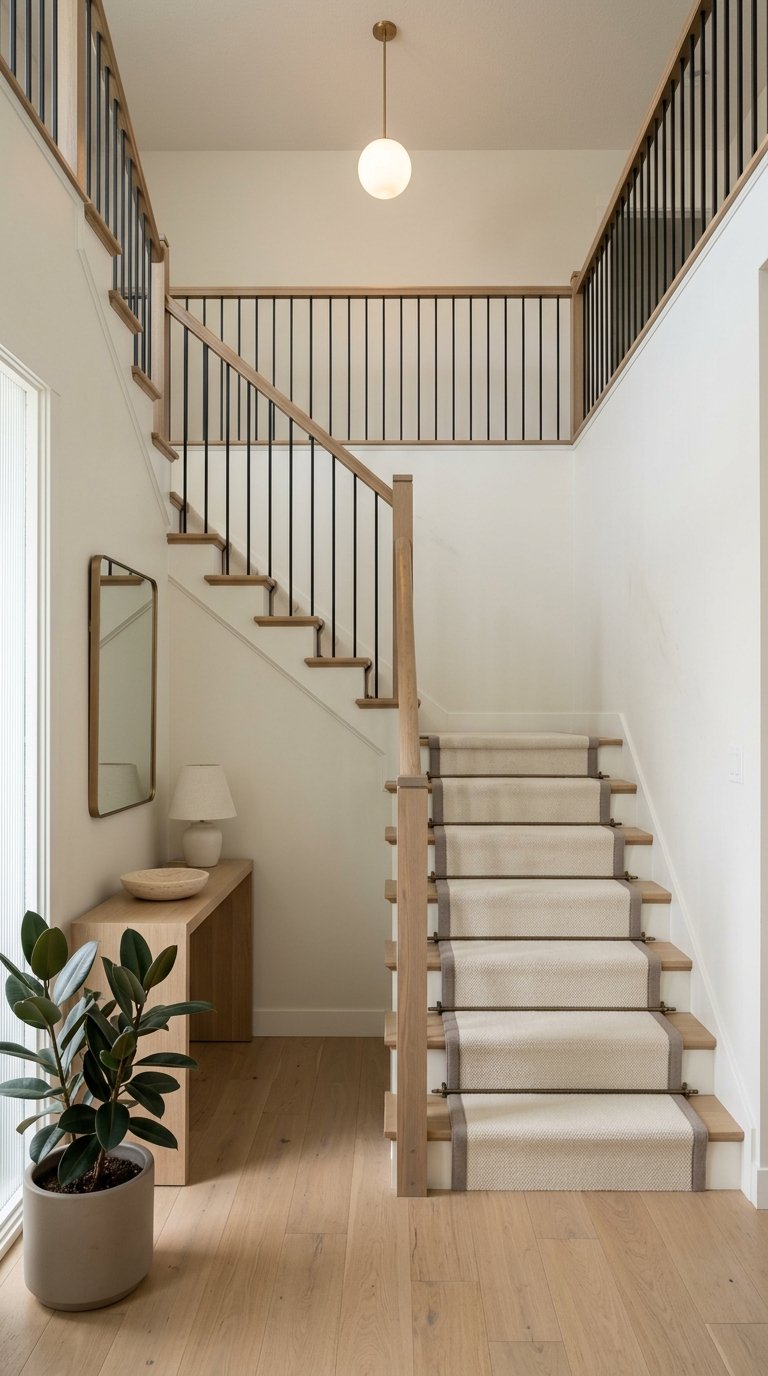
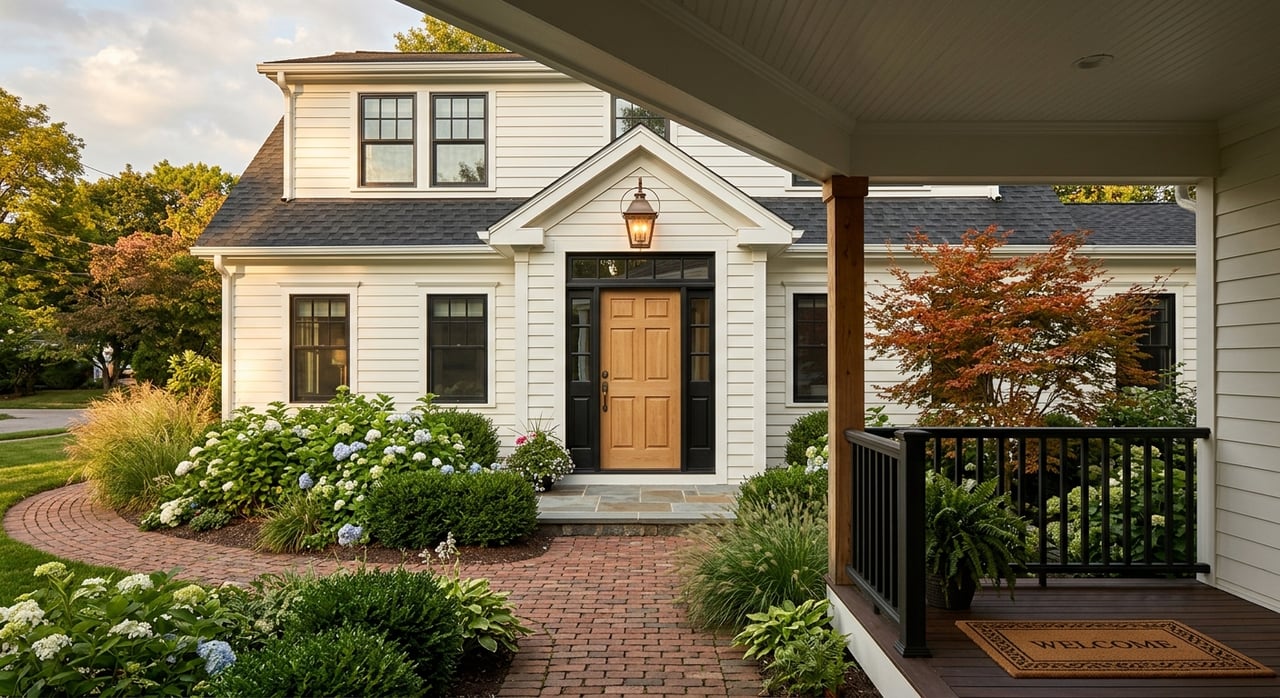
In Ridgewood, your front entry matters more than many sellers realize. With Ridgewood Station serving NJ TRANSIT’s Main-Bergen County Line and the town’s commuter profile shaping buyer expectations, people often pay close attention to practical arrival points like the front approach, parking area, mudroom, and garage.
Your walkway should feel open and easy to follow. Trim back landscaping, remove anything crowded or distracting, and make sure the porch looks intentional instead of overloaded with decor, planters, or stored items.
If the home needs it, add or update exterior lighting so the entrance feels bright and welcoming. A simple bench or porch seating can work well, but less is usually more.
This is your top-priority interior room. Buyers and their agents tend to judge the overall feel of the home very quickly, and the living room often sets that tone.
Arrange furniture to create conversation and flow. You want open sightlines, clear walking paths, and a layout that shows the size of the room instead of blocking it.
Remove extra side tables, bulky pieces, pet items, visible cords, and personal collections. Keep surfaces simple and let the room breathe.
A living room should feel comfortable, polished, and easy to imagine using. If a buyer can mentally move right in, you are doing it right.
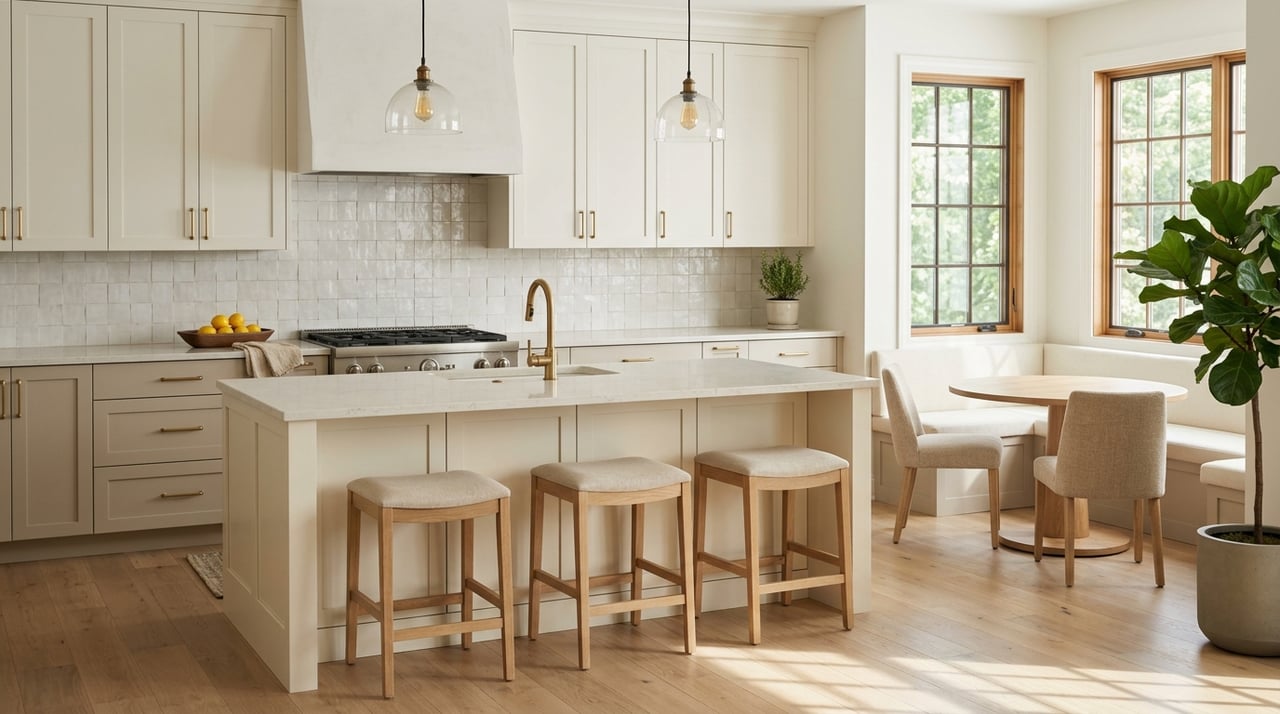
Kitchens do not need to look empty, but they do need to look clean and manageable. Clear the counters as much as possible, and store small appliances unless you use just one or two as simple visual anchors.
Take magnets, notes, and papers off the refrigerator. Deep clean floors, appliances, fixtures, and backsplash areas so the room reads as well-maintained in both photos and showings.
If your kitchen opens to a breakfast area or dining space, define that area clearly. Buyers should immediately understand how the room functions.
If you have a dedicated dining room, present it as one. Do not let it turn into a storage zone, home gym, or overflow office during listing season.
A table, balanced seating, and one neutral centerpiece are usually enough. Leave space around the furniture so the room feels usable and not crowded.
This is one of those spaces that can quietly add to the full-home experience. It does not need drama. It needs clarity.
The primary bedroom should feel restful and simple. Think more boutique hotel, less real life on a Wednesday afternoon.
Use neutral bedding, keep nightstands mostly clear, and make sure lamps match the scale of the room. Remove open hampers, workout equipment, pet beds, and anything that adds visual noise.
Because the primary bedroom ranks as one of the most important rooms to stage, this space is worth extra attention. Lighting, bedding, and clutter can make a surprisingly big difference here.
You do not need to over-style these rooms. In fact, simpler is usually better.
The main goal is to reduce personalization and show usable floor space. Keep one clear function per room, such as bedroom, nursery, or office.
If a room currently tries to do five jobs, buyers may only see confusion. Clean, open, and easy to understand wins every time.
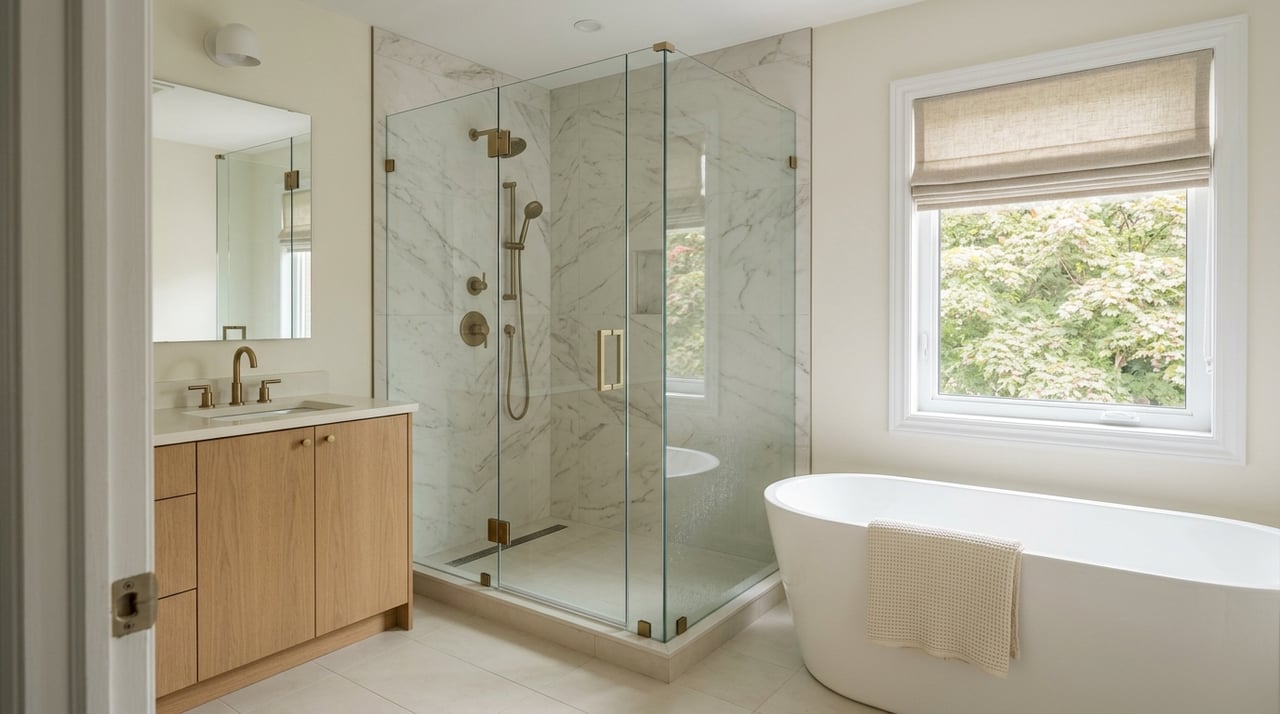
Bathrooms should feel spotless and bright. Clear the counters, store most toiletries, and bring in fresh towels for photos and showings.
Pay attention to mirrors, grout, faucets, and shower glass. Buyers notice cleanliness fast, and bathrooms photograph every smudge with zero mercy.
You do not need an expensive renovation to improve the impression. In many cases, deep cleaning and simplification do the job.
In a commuter-friendly town like Ridgewood, flexible space can be a real asset. A room that reads clearly as a home office, homework area, or quiet workspace helps buyers see how the house can adapt to daily life.
Keep the setup minimal and functional. A desk, chair, lamp, and a little open space will usually show better than a heavily decorated room.
Clarity matters here too. Buyers should not have to guess what the room is meant to be.
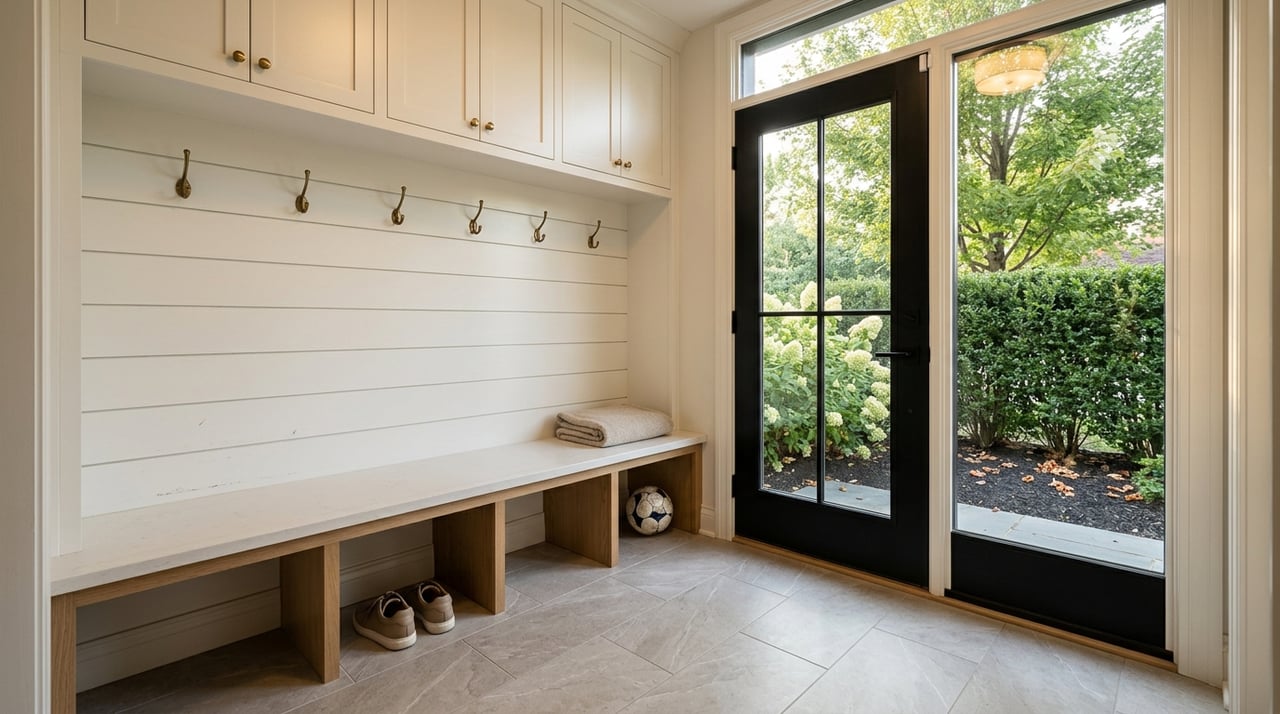
These areas may not be glamorous, but they matter. In commuter-oriented suburban homes, buyers often pay attention to where coats, shoes, bags, sports gear, and seasonal items will actually go.
Mudrooms and laundry rooms should look organized and useful. Basements and garages should feel as open as possible, not packed wall-to-wall with things you meant to deal with later.
If storage is a feature, staging should help show that. If clutter takes over, buyers may assume the home lacks enough space.
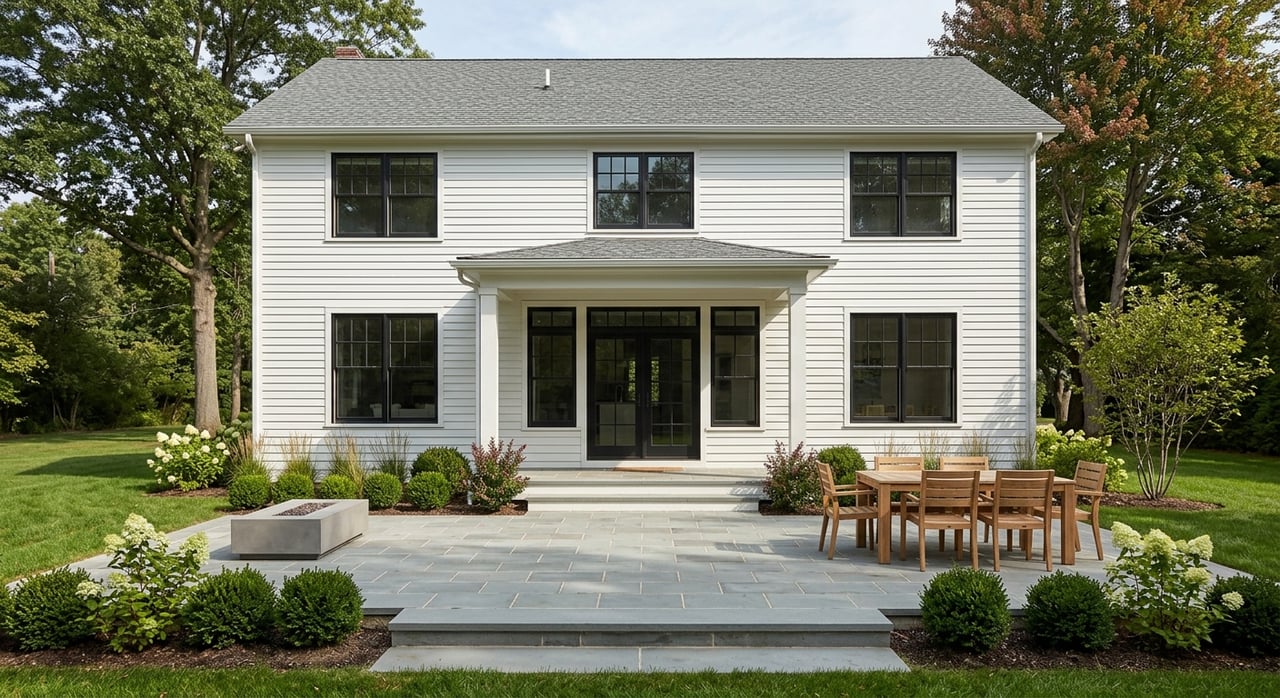
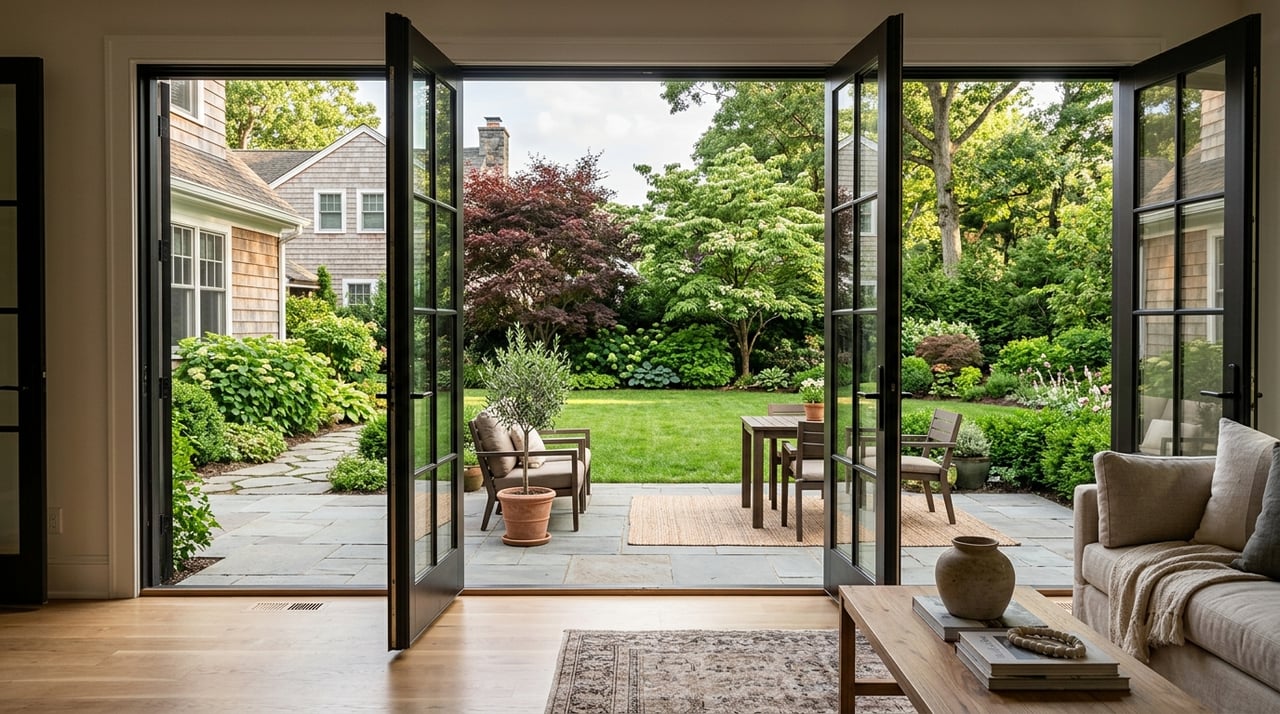
Outdoor spaces should show function, not clutter. A small seating area, clean surfaces, and restrained landscaping usually photograph better than too many accessories or overflowing planters.
If the lot or backyard is a major selling point, give it more attention. Otherwise, think of outdoor staging as support for the main story of the house, not the whole story.
Most buyers start online, and listing photos often shape whether they schedule a showing at all. NAR reporting notes that 81% of buyers consider listing photos the most important factor when evaluating properties, and buyer agents rate photos as even more important than physical staging.
That is why staging should happen before professional photography. It is much harder to fix weak presentation after the listing is live.
Video and virtual tours matter too, but they work best when the home already looks polished in real life. Good marketing starts with a home that is ready for the camera.
Virtual staging can help a vacant room feel easier to understand. It can also help buyers judge scale in a space that feels hard to read empty.
But it should clarify reality, not replace it. Over-edited images can create disappointment when buyers walk through the door, and that is never the goal.
A polished listing should feel accurate, not exaggerated. You want buyers pleasantly excited, not suspicious.
Staging is about presentation, not misrepresentation. In New Jersey, sellers still need to disclose known material defects, and the seller property condition disclosure statement is not a substitute for a buyer’s inspection.
New Jersey also requires flood-risk disclosure before a buyer becomes obligated under a purchase contract. In other words, staging can improve first impressions, but it should never be used to hide condition issues or blur reality.
The best listing strategy is honest and well-prepared. Clean up what you can, repair what makes sense, disclose what you know, and let thoughtful staging support the launch.
In a premium market like Ridgewood, staging works best when it is strategic. You do not need to turn your house into a furniture showroom. You need to make it easy for buyers to understand the layout, feel the value, and connect emotionally from the first photo onward.
That is exactly why I treat staging as part of the listing strategy, not a last-minute extra. If you are getting ready to sell in Ridgewood and want a plan that makes the prep process feel manageable, reach out to Nicole Romanik for a marketing-first approach built around presentation, photography, and a smooth launch.
Stay up to date on the latest real estate trends.
Whether you are thinking of transitioning to a new home now or in five years, it is never too early to come up with a game plan. Let's meet to determine how I can best support you on your journey.